
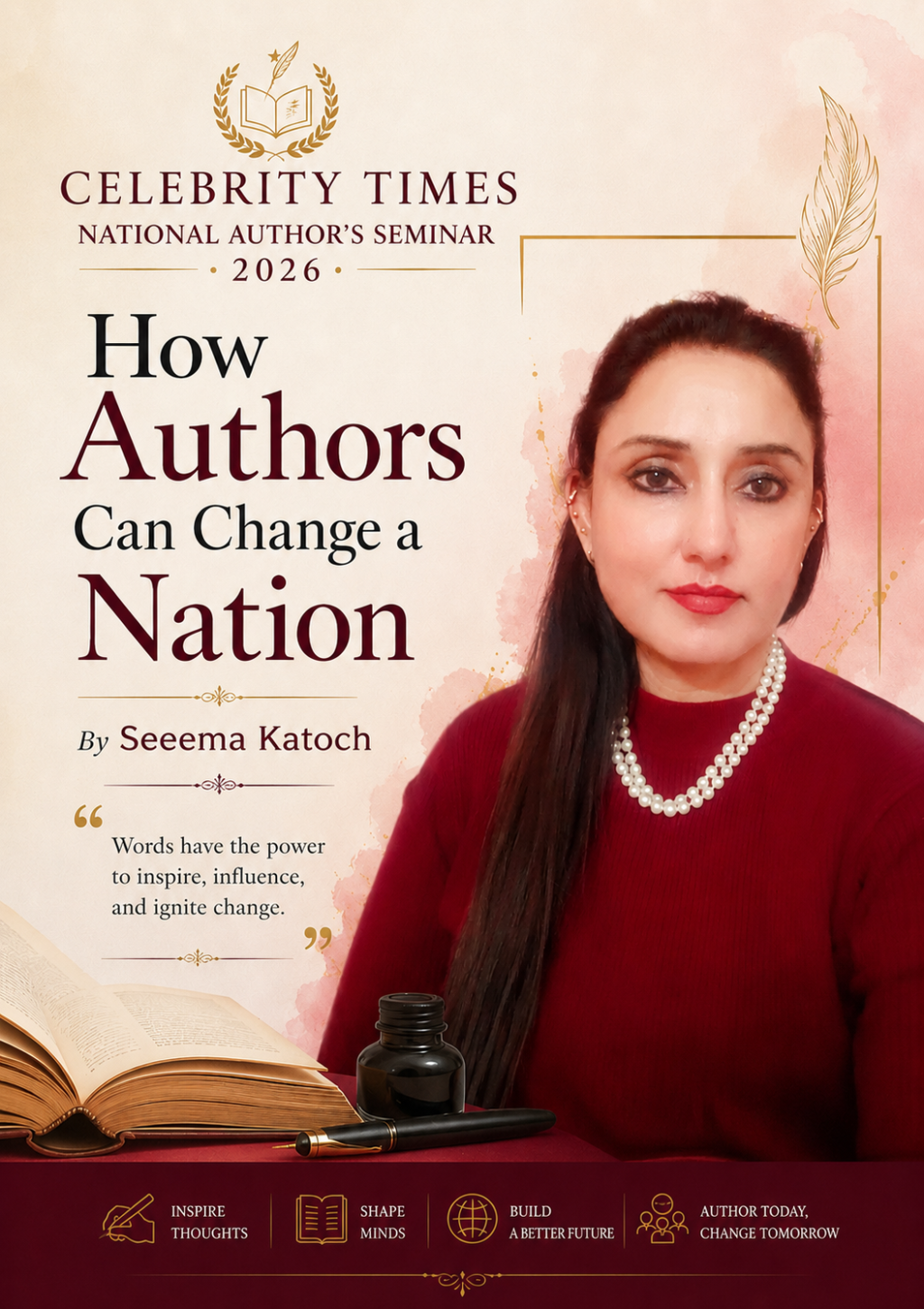
A nation is shaped not solely by its policies, leaders, or economic might, but profoundly by its stories. These stories mold how people think, what they believe, and ultimately, how they act. At the core of these narratives are authors—the subtle architects of thought and emotion. Through their words, authors wield the remarkable power to challenge conventions, ignite transformation, and redefine a nation’s very identity.
Authors are more than storytellers; they are keen observers and insightful interpreters of society. They capture the essence of their era, the struggles, injustices, hopes, and transformations that define generations. By weaving these realities into words, authors hold up a mirror to society, enabling people to see themselves more clearly. Such awareness is often the crucial first step toward meaningful change.
For instance, imagine a homemaker reading a story about a woman who learns to value her own time and aspirations. The following day, she might take a small but significant step, setting aside time for herself or rekindling a long-lost hobby. Likewise, a young student reading about a character who overcomes the fear of failure may feel empowered to raise his or her hand in class or join a competition for the first time. These refined shifts in mindset, though starting at the individual level, gradually ripple through society.
Authors use immense influence over a nation by shaping public opinion. A compelling book can spark discussions previously avoided and bring hidden issues into the open, be it social inequality, gender roles, corruption, mental health, or cultural identity. When such issues are represented through powerful stories and relatable characters, they cease to be mere abstractions; they become deeply personal and urgent.
Consider a story enlightening the challenges faced by domestic workers. After reading, a family may begin treating their household help with greater respect—offering fair wages, kind words, or simply acknowledging their contributions. Similarly, a novel that addresses mental health could encourage a parent to listen more patiently to their child, rather than dismissing their emotions. These everyday actions, though seemingly minor, collectively shift societal attitudes.
Authors also play a vital role in preserving and redefining culture. Every nation cherishes its traditions, values, and history, yet these are never static. They evolve with time, and authors are active contributors to this evolution. By weaving together tradition and modern perspectives, authors help societies adapt without severing their roots.
For example, a narrative featuring a strong yet compassionate daughter-in-law can influence families’ perceptions of women in traditional roles. Readers may begin to challenge outdated expectations and embrace a more supportive attitude at home. Likewise, books that celebrate regional languages, festivals, and customs can inspire individuals to reconnect with their heritage—perhaps by teaching children their mother tongue or celebrating festivals with newfound appreciation.
Another profound impact authors have is on the younger generation. Books often serve as a child’s first window to ideas beyond their immediate world. Through literature, young minds absorb lessons in empathy, courage, resilience, and justice.
A simple story about kindness can encourage a child to help a classmate who is struggling. A tale about honesty might make him or her think twice before telling a lie. Over time, these lessons shape character. When thousands of children grow up with such values, they collectively shape the nation’s moral fabric.
Moreover, authors inspire action. While not every reader becomes an activist, many are influenced to think differently, speak up, or make small changes in their own lives.
For example, a book about environmental awareness might inspire a reader to reduce plastic use, carry a reusable bag, or plant a tree. A narrative about education might motivate someone to volunteer to teach underprivileged children on weekends. These actions may seem minor individually, but when adopted by many, they create meaningful change.
In times of crisis, authors become even more important. They provide comfort, clarity, and perspective. During periods of uncertainty, people turn to stories for understanding and hope.
Think of someone going through a difficult phase, perhaps a job loss or a personal struggle. Reading about a character who rises again despite setbacks can provide a sense of emotional strength. It reminds readers that challenges are temporary and resilience is possible. This sense of hope keeps individuals moving forward, thereby strengthening society as a whole.
However, the power of authors comes with responsibility. Words can influence minds, and with that influence comes the need for honesty and integrity. Authors must strive to present truth, even when it is uncomfortable. They should challenge stereotypes rather than reinforce them, and promote empathy rather than division.
In today’s digital age, authors’ reach extends far beyond traditional books. Social media posts, blogs, and articles can influence thousands in a matter of moments. A simple, relatable piece about everyday struggles, balancing work and home, parenting challenges, or self-worth, can resonate deeply and spark meaningful conversations online.
It is also vital to recognise that change is rarely immediate. A single book may not transform a nation overnight, but it can plant seeds of thought. These seeds take root gradually, shaping conversations, influencing perspectives, and eventually driving broader movements.
In conclusion, authors change a nation not through force or authority but through influence and inspiration. They shape minds, challenge beliefs, preserve culture, and inspire action. Their words enter homes, classrooms, and hearts, quietly transforming daily behaviours. Through these small, consistent, and meaningful changes, a nation truly evolves.