

Diya Saha
Bengali cuisine is renowned for its rich flavors, generous use of spices, and deep-rooted love for fish and sweets. Among its many culinary treasures, Hilsa Fish Curry (Ilish Macher Jhol), Kolkata Biryani, and Rasgulla stand out as three iconic dishes that beautifully represent the food culture of both West Bengal and Bangladesh.
Key Aspects of Bengali Cuisine
Staple Foods
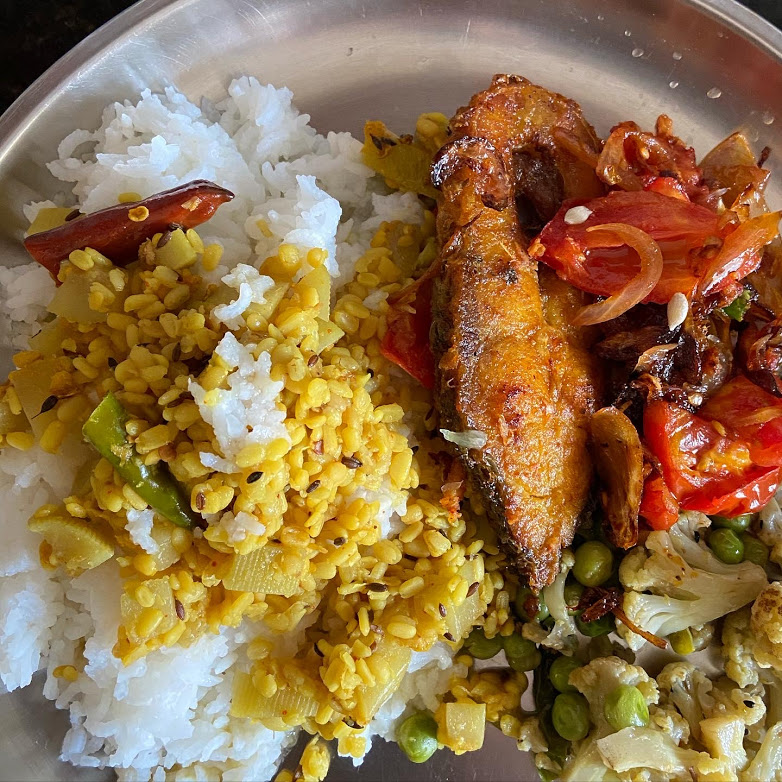
Rice and fish form the cornerstone of Bengali meals, a reflection of the region’s fertile plains and abundant rivers. The phrase “Maache Bhate Bangali” perfectly captures this culinary identity.
Mustard Oil
Mustard oil is a hallmark of Bengali cooking. Its pungent aroma and bold flavor add a distinctive character to many dishes, from curries to stir-fries.

Fish
Freshwater fish, especially Hilsa (Ilish), holds a place of pride in Bengali kitchens. Dishes like Shorshe Ilish (hilsa in mustard gravy) and Doi Maach (fish in yogurt sauce) showcase the versatility and reverence for fish in the cuisine. Hilsa is particularly popular in Bengal and Kolkata.
Sweets
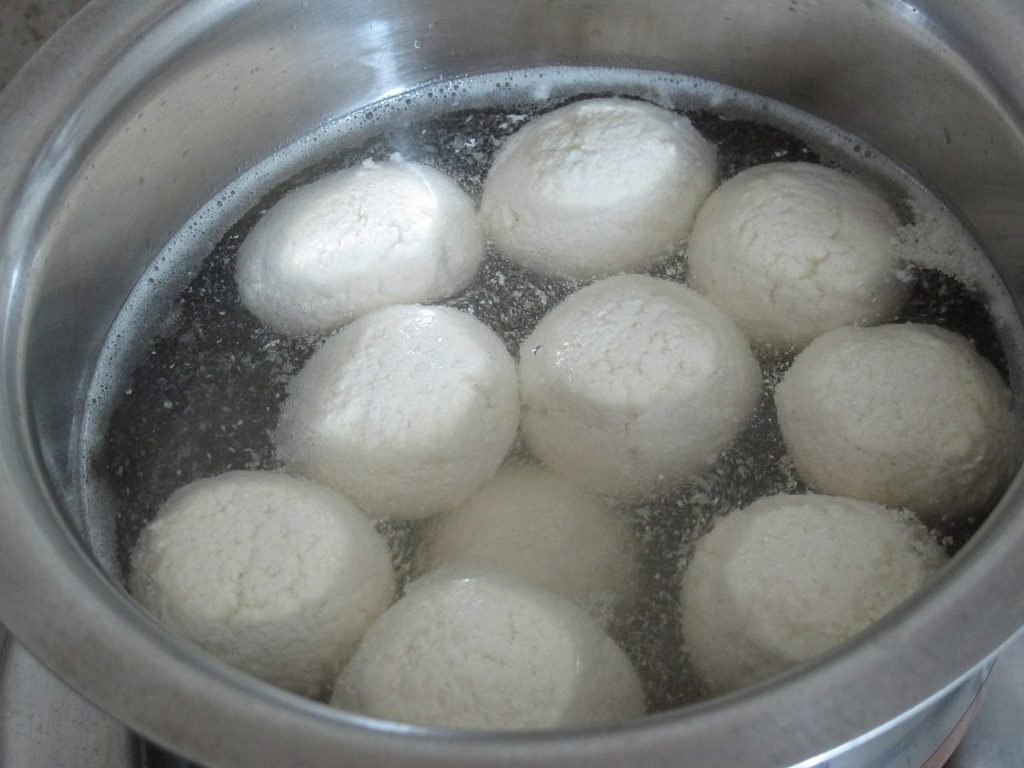
Bengali sweets are world-famous. Rasgulla, Sandesh, and Mishti Doi are integral to every celebration and festivity.
The origin of Rasgulla has been a point of debate between West Bengal and Odisha. However, West Bengal was awarded the Geographical Indication (GI) tag for it, tracing its invention to Nobin Chandra Das in 1868. This soft, spongy dessert—first known as Sponge Rosogolla—is deeply linked to Bengali identity and festive culture.
Kolkata Biryani: A Legacy with a Twist
Kolkata Biryani, with its unique inclusion of potatoes and boiled eggs, is a legacy of the Awadhi style. When the last Nawab of Awadh, Wajid Ali Shah, was exiled to Kolkata, his royal chefs adapted the traditional Lucknowi biryani to local ingredients and preferences.
- Popularity: Today, Kolkata Biryani is a staple across West Bengal. Iconic restaurants like Dada Boudi Biryani in Barrackpore are celebrated for their flavorful take on the dish.
- Evolution: Over time, the biryani has evolved with regional variations, yet continues to be a favorite across all age groups.
Food and Festivals
Festivals such as Durga Puja and Poila Boishakh (Bengali New Year) are occasions for grand feasts, where traditional dishes take center stage. These celebrations highlight the integral role of food in Bengali culture, bridging generations through taste and tradition.
Cultural and Historical Influences
Bengali cuisine has been shaped by diverse historical influences, including Portuguese, Mughal, and British culinary traditions. This confluence of cultures has enriched the cuisine, making it one of the most vibrant and cherished food traditions in South Asia.