
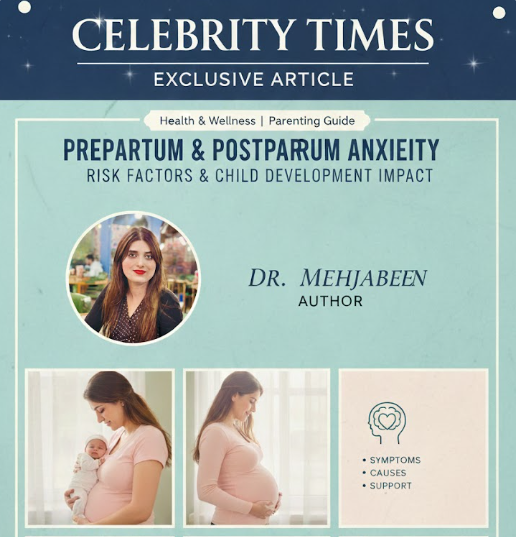
Prepartum and postpartum anxiety are increasingly seen in women across the world because the journey toward motherhood carries deep biological, psychological, emotional, and social changes that often converge at the same time, creating an overwhelming burden on the mother’s mind and body. One of the primary reasons behind prepartum anxiety is the powerful hormonal shifts that occur during conception and pregnancy; fluctuations in estrogen, progesterone, cortisol, and thyroid hormones directly influence mood, emotional sensitivity, and stress response, making women naturally more vulnerable to worry and fear. In addition to hormones, the pressure to conceive quickly, the stress of fertility issues, societal expectations, fear of miscarriage, and the unrealistic standards of motherhood portrayed by society often lead many women to feel inadequate, fearful, or constantly anxious. Many women silently carry the weight of questions like “Will I be able to get pregnant?”, “What if something goes wrong?”, “Am I ready to be a mother?”, and “Will I handle the responsibility?” All of which feed preconception anxiety. Once pregnant, women face new layers of pressure: concerns about the baby’s growth, fear of complications, monitoring every symptom, financial worries, relationship changes, and fear of childbirth itself. Lack of support, high responsibilities, a stressful work environment, or unresolved trauma from a previous pregnancy can intensify prepartum anxiety. On top of this, the expectation that pregnancy should be a purely joyful experience makes women feel guilty for having negative emotions, which only increases their anxiety. Postpartum anxiety, on the other hand, arises from a combination of hormonal dips after delivery, sleep deprivation, exhaustion, physical recovery, breastfeeding challenges, and the sudden responsibility of caring for a newborn. Many women feel pressure to be perfect mothers, to keep their homes intact, to recover quickly, and to smile through pain all while adjusting to a completely new identity. Fear of making mistakes, fear of harming the baby, fear of failing as a mother, and the constant need to stay alert for the baby’s safety fuel postpartum anxiety. Social expectations worsen this, as mothers are often judged, compared, or pressured to “handle everything” without complaining. In families with weak support systems, emotional neglect, marital stress, or financial strain, postpartum anxiety becomes more severe. Trauma from a difficult childbirth, Neonatal Intensive Care Unit( NICU)admission, or past loss can also trigger intense fear and hypervigilance. Many women do not talk openly about their struggles because they fear being misunderstood or labelled as emotionally weak, which leaves them silently fighting internal battles that grow with time.
This anxiety can affect the baby both in the womb and after birth. During pregnancy, high levels of maternal stress hormones especially cortisol can cross the placenta, influencing the baby’s developing brain and nervous system. Studies have shown that persistent prepartum anxiety may lead to babies who are more sensitive to stress, have difficulty regulating emotions, or show irritability in early months. It can also slightly increase the chances of preterm birth, low birth weight, or complications during labour because stress affects sleep, immunity, appetite, and blood pressure in the mother. When a woman carries constant fear, her body remains in a “fight-or-flight” mode, which reduces blood flow to the uterus and may influence fetal growth. Although not every anxious mother will experience complications, unmanaged anxiety increases the risk. After birth, postpartum anxiety affects the baby through the emotional connection between mother and child. Babies depend heavily on their mother’s emotional stability for bonding, security, and healthy development. When a mother is anxious, exhausted, overwhelmed, or constantly worried, it can interfere with her ability to bond deeply, maintain eye contact, respond calmly to the baby’s needs, or feel confident in caregiving. Infants are highly sensitive to the emotional state of their primary caregiver; they pick up tension, fear, or restlessness in the mother’s tone of voice, heartbeat, and touch. Over time, this may influence the baby’s sleep patterns, feeding behaviour, crying frequency, and ability to feel safe. Some babies of highly anxious mothers become clingy, easily startled, or display colic-like symptoms. However, it is crucial to understand that these outcomes are not guaranteed many women with anxiety still raise healthy, emotionally secure children but awareness and support greatly reduce risks. Postpartum anxiety can also affect breastfeeding because stress hormones interfere with milk production and let-down reflex, creating frustration for both mother and child. If the mother feels unsupported or judged, her anxiety worsens, making bonding even harder. Yet the most important point is this: anxiety is treatable, manageable, and reversible. With the right support counselling, emotional understanding, partner involvement, adequate rest, and realistic expectations most mothers recover beautifully, and babies thrive. The presence of anxiety does not mean a mother is weak or incapable; it means she is trying to carry a heavy emotional load while nurturing a new life. Recognising the symptoms early, normalising emotional struggles, and providing a safe space for women to express their fears can prevent long-term complications for both mother and child. When society understands that motherhood is not just physical but deeply psychological, then prepartum and postpartum anxiety can be addressed with compassion instead of judgment. Ultimately, the mother’s emotional wellbeing is not just important for her but also for the child’s overall development, shaping their future emotional resilience, confidence, and sense of security.
Conclusion:
Prepartum and postpartum anxiety are common because motherhood brings intense hormonal changes, emotional pressures, and life transitions that many women are not fully prepared or supported for. When this anxiety goes untreated, it can affect both the mother’s wellbeing and the baby’s emotional and physical development. But with understanding, early support, and compassionate care, mothers can heal, babies can thrive, and the journey of motherhood becomes healthier, safer, and emotionally balanced.
Dr Mehjabeen
Founder vision High Mental Health Wellness
Director Karnataka state Board Mental Health & Human Rights GHRT
www.drmehjabeenvisionhigh.com