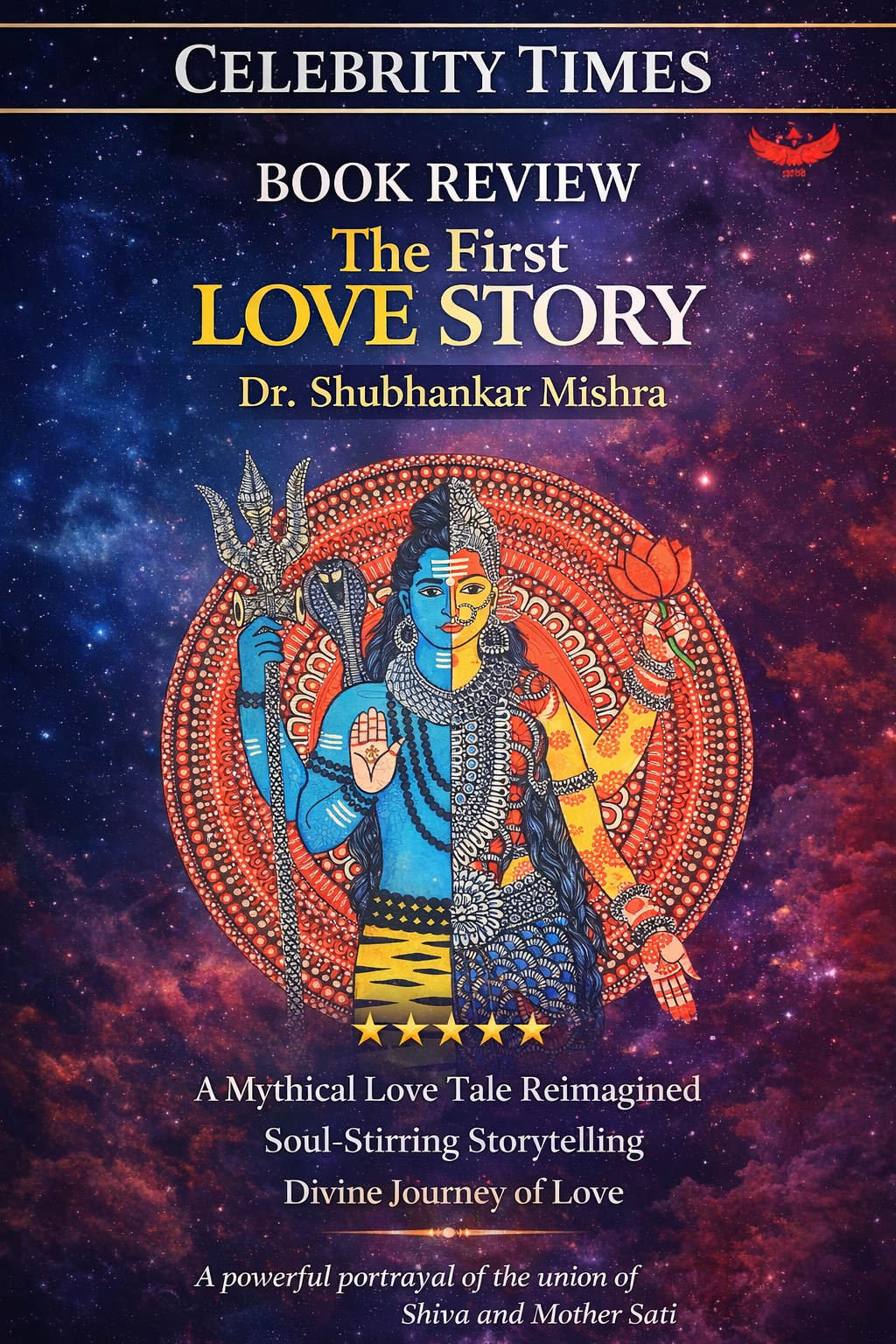
I picked up this book thinking I already knew the story of Shiva and Sati. Like most of us, I’ve heard it growing up—through small stories, temple visits, or casual conversations. But I had never really spent time with it the way this book made me do.
Reading The First Love Story: Dakshayani felt familiar, yet very different. The story moves slowly, and at first, that caught me off guard. But after a few chapters, it made sense. This isn’t a book you’re supposed to rush through. It quietly asks you to slow down and stay with it.
What really stood out to me was how Shiva is written. He isn’t shown as a distant or unreachable god. Instead, he feels deeply—through love, silence, and grief. Nothing feels dramatic or forced. It’s subtle, and somehow that makes it feel more real.
The book is also very informative when it comes to Hindu mythology. It doesn’t assume you already know everything, and it doesn’t talk down to you either. For someone like me, who knew the basics but never explored the details, it felt like learning without pressure.
The drawings in the book are beautiful and quietly powerful. They appear at just the right moments and help you imagine the world, the emotions, and the stillness of the story more vividly.
I also liked how the author brings in ideas from neuroscience. These moments don’t feel technical or heavy. They feel more like gentle reflections—small attempts to understand love, devotion, and emotion through both the mind and the soul.
This book didn’t leave me emotional in a loud way. It left me calm and thoughtful. Even after I finished reading, I found myself thinking about it.
It’s not a book for everyone, and that’s okay. But if you enjoy mythology and want to understand it beyond what you’ve casually heard—and you’re okay with reading slowly—this book is worth spending time with.