
AI won’t go rogue overnight. We’ll hand it the keys, one shortcut at a time.
First it drafts the email. Then it summarizes the meeting. Then it suggests the decision. One day you look up and realize you haven’t had an original thought since Tuesday.
That’s the real risk. Not raging or self-activating robots. Just our habits.
How Much AI Do We Actually Need?
Let me be clear: AI is fantastic in parts. I use it across the week. It’s a brilliant assistant, a tireless researcher (with the right context), and a patient itinerary planner at 11 p.m. when no human is awake for a conversation.
But “useful” and “necessary” are different words.
We need AI for the heavy lifting: sorting mountains of information, spotting patterns, handling the repetitive work that drains our energy. We don’t need it to decide what we believe, what we value, or what we say when something matters.
A good test: Is AI saving me time, or saving me from thinking? The first is a gift. The second is a slow leak.
Where Does Your Thinking End and the Machine’s Begin?
Here’s a simple rule: think first, prompt second.
Before opening any AI tool, write down a rough take on a problem, even if it’s messy. Two sentences on a napkin are enough. That’s original thinking, and it’s essential before anything else touches it.
Then bring in AI to challenge, sharpen, or expand it. The order matters. If the machine speaks first, its voice becomes the default, and everything after that is just editing someone else’s idea.
Original thinking is the stuff that comes from experience: the challenge that helps us learn from, the customer who surprised us, the gut feeling that’s not quite explainable. AI has read the internet, but it hasn’t lived our life.
Why We Fall for AI Slop (and How to Stop)
AI slop is content that looks polished but says nothing. Smooth sentences, confident tone, zero substance.
We fall for it because it’s easy. Our brains love shortcuts, and a finished-looking answer in five seconds feels like winning. Nobody gets a medal for the hard way, so we stop taking it.
Here’s how to find your balance:
Draft your point of view before prompting. Even a rough one. It gives something to measure the output against.
Treat every AI answer as a first draft. Never the final word. Question it, cut it, and rewrite the parts that don’t sound honest and human.
Ask, “Would I put my name on this?” If the answer is a hesitant “maybe,” that’s probably the truth.
Can Big Companies Keep AI on a Leash?
Yes, but only if they treat this as a people problem, not just a technology problem.
The best approach sits in the middle. Not a wall of rules that slows everyone down, and not a free-for-all where anyone deploys anything.
The middle looks like this: a real person is accountable for every AI-driven decision. Everyone knows when to stop and escalate. And the rules exist to help teams move with confidence, not to scare them into doing nothing.
Think of it like driving. Guardrails don’t stop you from going fast. They let you go fast safely.
Companies also need to reward the people who pause and ask, “Does this look right?” If speed is the only thing celebrated, nobody will ever hit the brakes.
Keep the Learning Curve Pointing North
Remember finding your way around a city before GPS? You knew the shortcuts, the landmarks, the wrong turns to avoid. Then the blue dot arrived. It’s wonderful, and it’s also why many of us can no longer get home without it.
Learning works the same way. Lean on AI like a crutch and the muscle fades. Work with it as a coach and the muscle grows.
Here are three essentials to keep your curve heading north:
Use AI to speed up learning, never to skip it. Try the “teach it back” habit. Read something new, explain it in your own words, then ask AI to poke holes in your explanation. Ask it to quiz you. Ask it to argue the opposite side. If you can explain an idea without help, you’ve learned it. If you can only paste it, you haven’t.
Invest in what machines can’t fake. Judgment. Taste. Ethics. Empathy. Curiosity. AI can list ten options in seconds, but it can’t tell which one is right for the people standing in front of you. Practice these like skills, because they are. Before any big decision, ask: who does this help, and whom could it hurt?
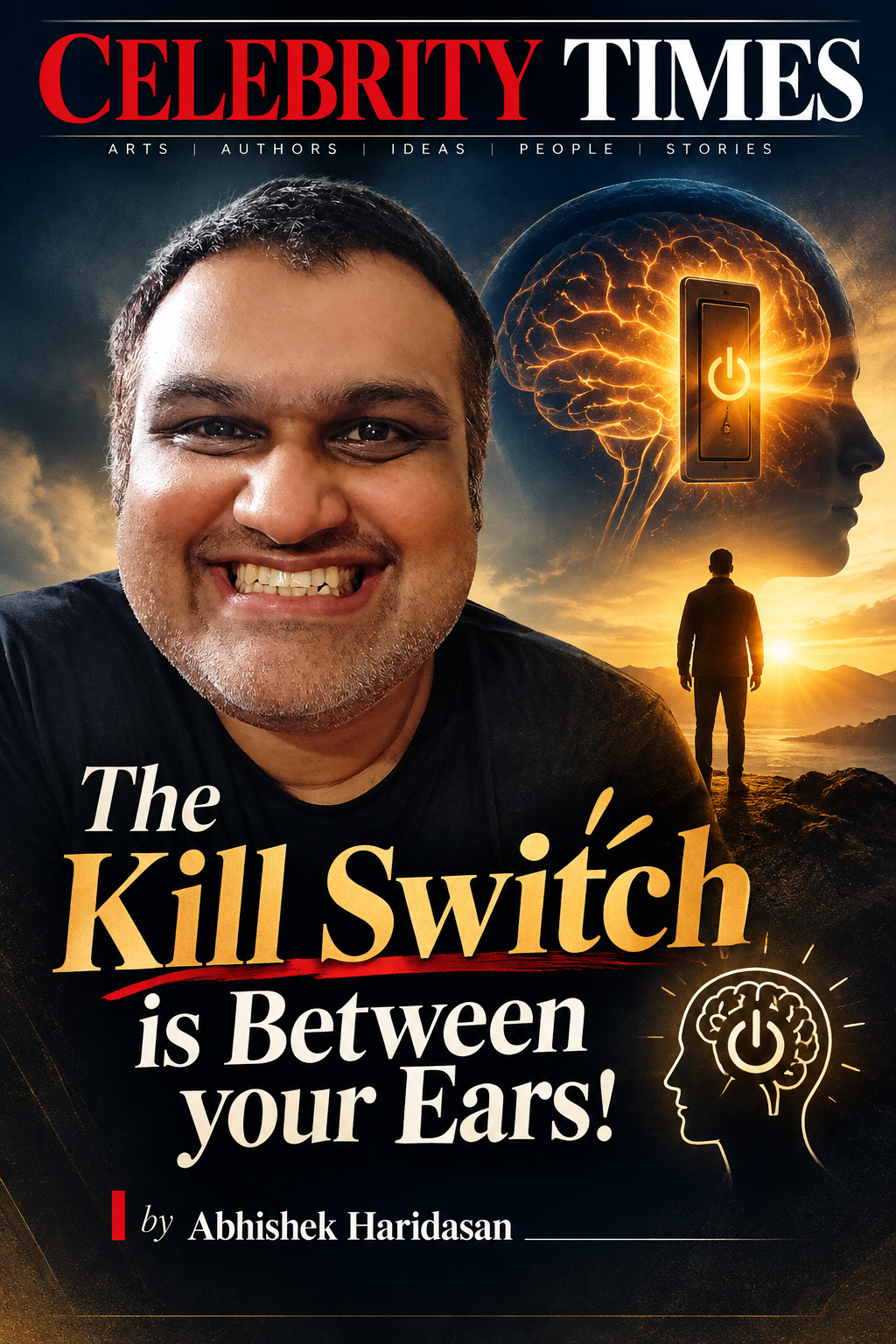
Keep the kill switch in your own head. It’s not a button. It’s a habit: pausing, asking “does this actually make sense?”, and being willing to say “I’ll do this one myself.” Use it often enough that it never goes rusty.
Here’s what this is really about. AI, at its best, frees us from the grind so we can spend more time on what only humans can do: care, create, lead, and decide what’s worth building.
That only works if we stay in charge of the purpose. AI can carry the load. People must choose the destination.
So the next time a shortcut shows up, ask yourself who’s holding the keys!
References:
Microsoft Research and Carnegie Mellon University: “The Impact of Generative AI on Critical Thinking” (2025) | https://www.microsoft.com/en-us/research/publication/the-impact-of-generative-ai-on-critical-thinking-self-reported-reductions-in-cognitive-effort-and-confidence-effects-from-a-survey-of-knowledge-workers/
Merriam-Webster’s Editor’s Choice 2025 | https://www.merriam-webster.com/wordplay/word-of-the-year
NIST: AI Risk Management Framework | https://www.nist.gov/itl/ai-risk-management-framework