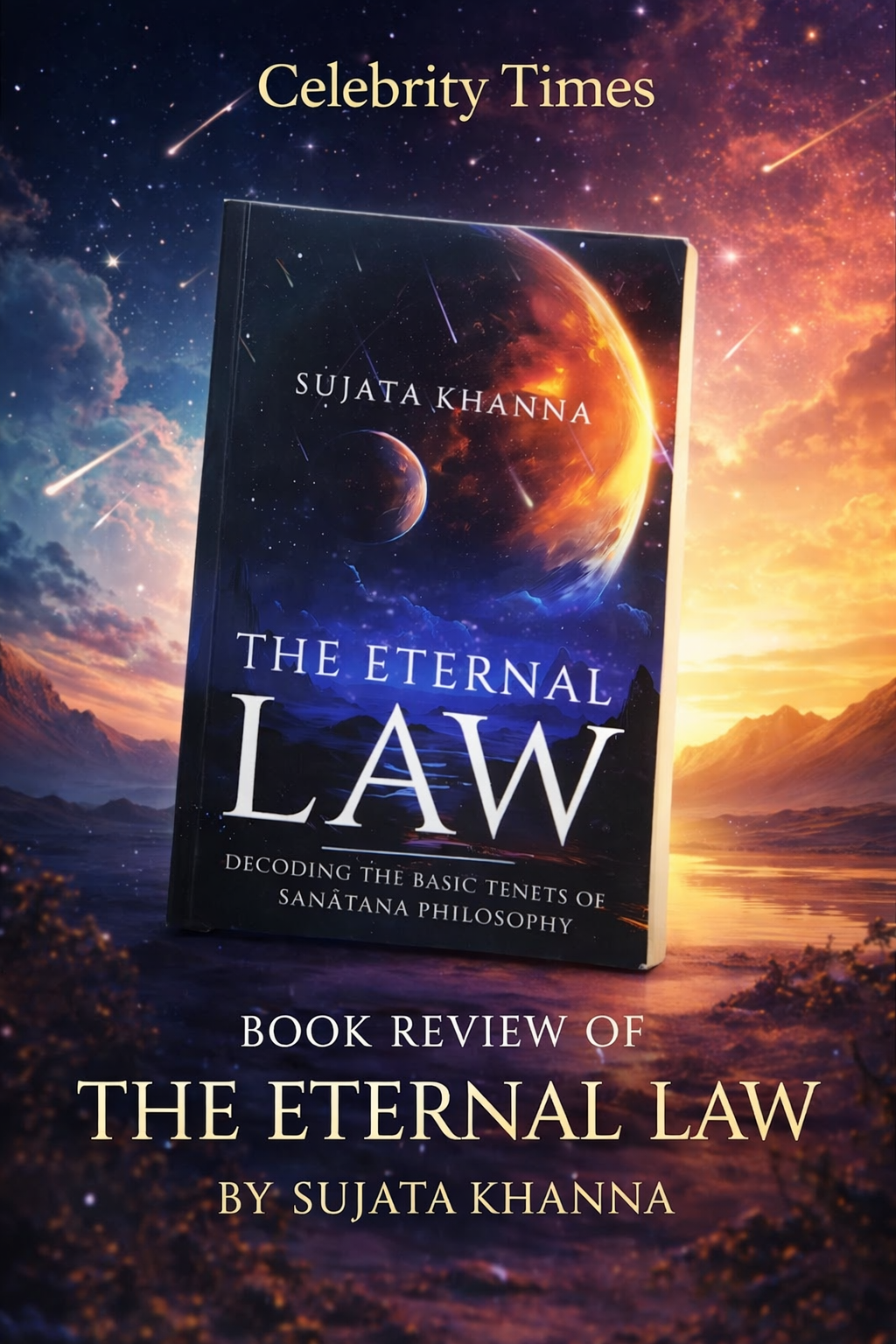
I picked up The Eternal Law when I wanted to understand Indian philosophy a little better, but without getting lost in heavy words or complicated ideas. This is probably my second or third book on topics like Sanātana Dharma, consciousness, and the self. Honestly, I was a bit nervous before starting it—but that feeling went away very quickly.
What I liked the most about this book is how clear and calm it feels. The author explains deep ideas like Māyā, Prakriti, the states of consciousness, Dharma, Moksha, and Yoga in a way that does not feel intimidating. I never felt like I needed a dictionary beside me. The language is simple, and the flow is gentle, almost like someone is patiently explaining things to you.
This book doesn’t try to show off knowledge. It feels sincere. It feels like the author genuinely wants the reader to understand, not just read. As someone who is still learning and questioning things about life, identity, and purpose, I found this very comforting.
Some parts made me stop and think about my own habits, emotions, and reactions. Especially the sections on the mind, ego, and Dharma felt very relatable to modern life. It helped me connect ancient philosophy to everyday situations—work, relationships, confusion, and inner restlessness.
This is not a book you rush through. I read it slowly, sometimes just a few pages at a time. It’s the kind of book you underline, pause with, and come back to. For beginners or young readers who are curious about Indian philosophy but don’t want something too heavy, this book is a really good starting point.
Overall, The Eternal Law feels like a gentle guide. It doesn’t claim to have all the answers, but it helps you ask better questions. I would definitely recommend it to anyone in their twenties who is beginning to explore spirituality in a thoughtful, grounded way.