I recently explored the arNas website, and it genuinely feels like a platform built with a clear understanding of both children’s needs and parents’ concerns.
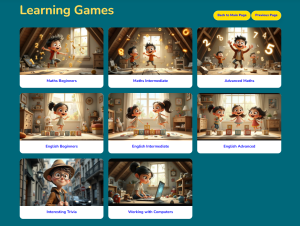
What stands out immediately is the range and variety of learning content. It’s not limited to one teaching style. Instead, it brings together instructional lessons, tutorials, concept explanations, application-based learning, and even story-based formats. This makes a big difference because every child learns differently — and arNas seems to acknowledge that.
What will especially stand out to parents is the strong academic coverage across core subjects, including:
Math, English, Sciences (Environmental Science, Physics, Chemistry, Biology), and Social Science (Geography, Earth & Environmental topics).
This gives the platform a solid foundation not just for engagement, but also for structured learning support at home.
Learning here doesn’t feel one-dimensional. Children can first understand a concept, then see how it applies, and sometimes even experience it through stories. That layered approach makes the learning more natural and engaging.
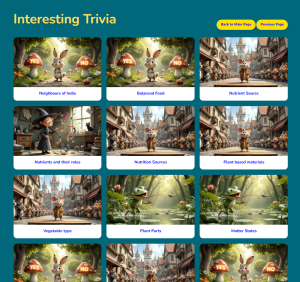
Another thing I appreciated is how the platform includes games that actually test understanding. These aren’t just for entertainment — they reinforce what the child has learned. It turns practice into something enjoyable rather than something children want to avoid.
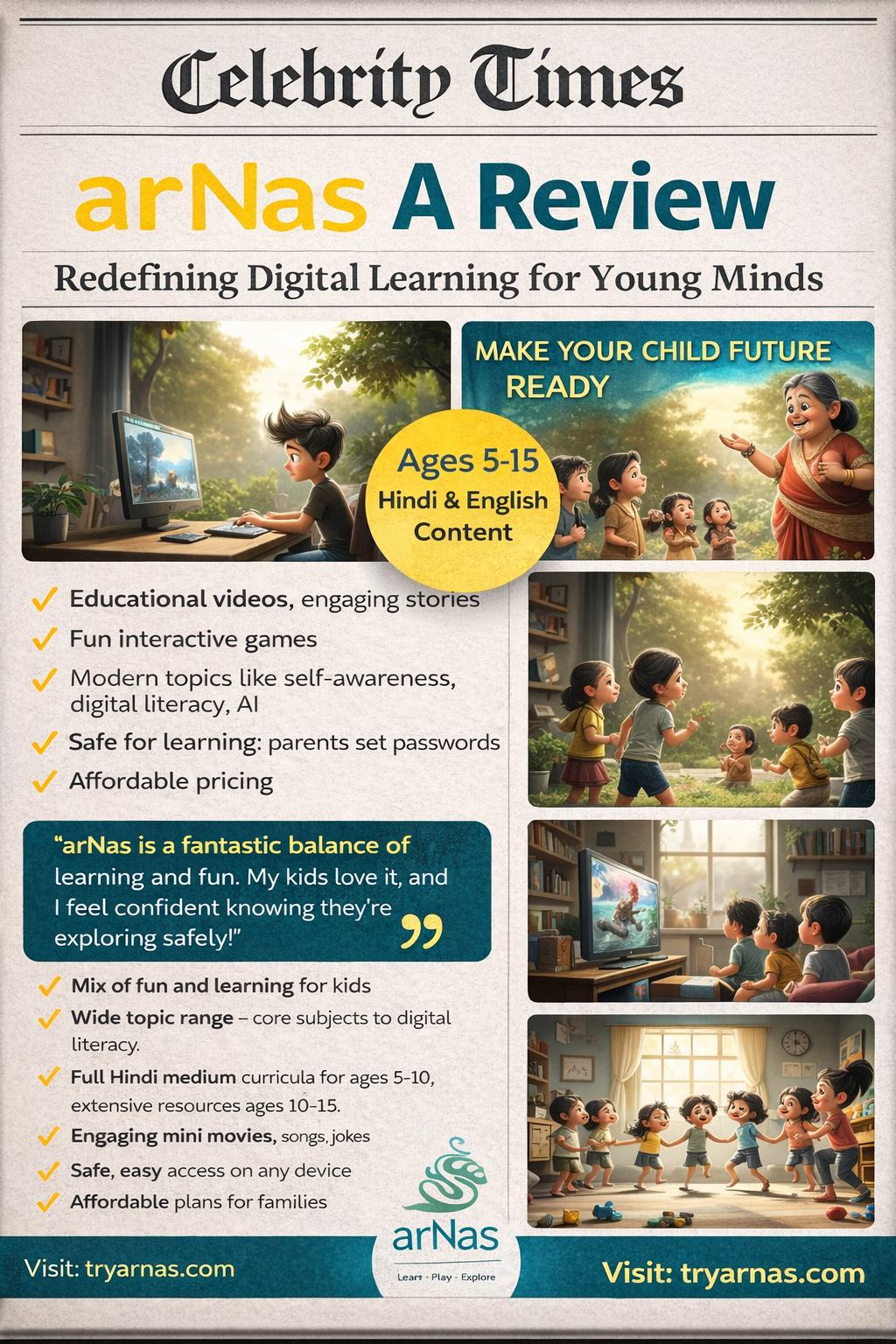
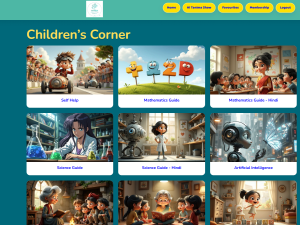
What makes arNas even more relevant today is the inclusion of modern topics. Along with core subjects, it introduces children to areas like self-awareness, digital literacy, and even basic ideas around AI. These are things children are already exposed to in today’s world, so it’s good to see them explained in a structured, age-appropriate way.
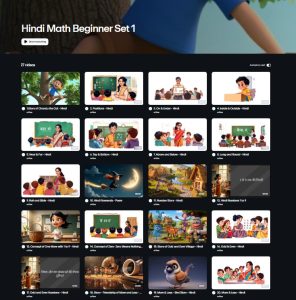
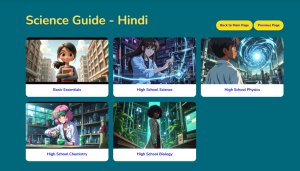
The platform has also expanded well in terms of language. The introduction of Hindi content is a big step, and importantly, it now covers the full range of subjects for children aged 5–10. This makes it far more accessible for a wider audience. Beyond that, there is also an extensive range of academic videos available for older children, roughly in the 10–15 age group. If someone wants to explore exactly which subjects are covered, the platform itself gives a clearer idea through its content sections.
What makes arNas even more relevant today is the inclusion of modern topics. Along with core subjects, it introduces children to areas like self-awareness, digital literacy, and even basic ideas around AI. These are things children are already exposed to in today’s world, so it’s good to see them explained in a structured, age-appropriate way.
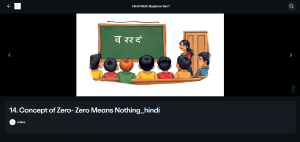
The platform has also expanded well in terms of language. The introduction of Hindi content is a big step, and importantly, it now covers the full range of subjects for children aged 5–15. This makes it far more accessible for a wider audience. Beyond that, there is also an extensive range of academic videos available for older children within this age group. If someone wants to explore exactly which subjects are covered, the platform itself gives a clearer idea through its content sections.
Another very useful feature for parents is the availability of downloadable learning resources. Members can access and download:
- Printable worksheets across Math, English, Hindi, and Environmental Studies
- Handwriting practice sheets
- Art and drawing activity sheets
This is a great addition because it allows children to continue learning offline as well, reducing screen dependency while still staying engaged.
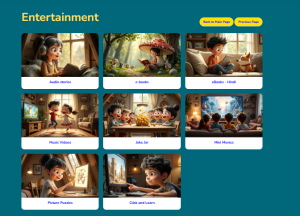
The entertainment section deserves special mention because it’s not just an add-on — it’s quite thoughtfully built. There’s a wide variety of content available in both Hindi and English, including audio stories and video stories across different genres. Along with that, there are mini movies, songs, and even light, fun elements like jokes. This creates a nice balance where children are not only learning but also enjoying their time on the platform. It feels like meaningful screen time rather than passive consumption.
In terms of usability, the platform is simple and convenient. It works smoothly across devices — phone, tablet, laptop, or desktop — so children can access it easily at home. The setup is straightforward, and even the web app installation makes access quicker.

Safety is clearly taken seriously. Parents set the password, access is controlled, and the environment feels secure. It’s designed in a way that children can explore freely, but within a protected space, which is reassuring for parents.
The content itself is well-suited for children between 5 and 15 years, both in terms of presentation and complexity. It’s engaging without being overwhelming, and structured without feeling rigid.
Another practical advantage is the pricing. The platform is quite economical compared to many other learning apps. There are no hidden charges, and new content is included within the subscription, which makes it accessible for more families.
Overall, arNas feels like a well-balanced platform that brings together learning, practice, and entertainment in a thoughtful way. It doesn’t try to replace school, but it works well as a companion that supports learning at home while keeping children engaged.
For parents looking for something that is safe, affordable, and genuinely useful for their child’s development, arNas comes across as a promising and well-rounded option.