The death of an Indian citizen in an attack at Riyadh airport has brought the safety of Indian nationals in the Middle East into focus, prompting a diplomatic response from New Delhi as regional security concerns continue to affect civilians and international travel.
Indian authorities have condemned the attacks and expressed solidarity with Saudi Arabia following reported casualties and damage to civilian infrastructure. The incident, reported in Indian media on 11 October, also highlights the challenges faced by migrant workers, business travellers, religious visitors and other Indians living or travelling abroad during periods of regional instability.
## What Has Happened?
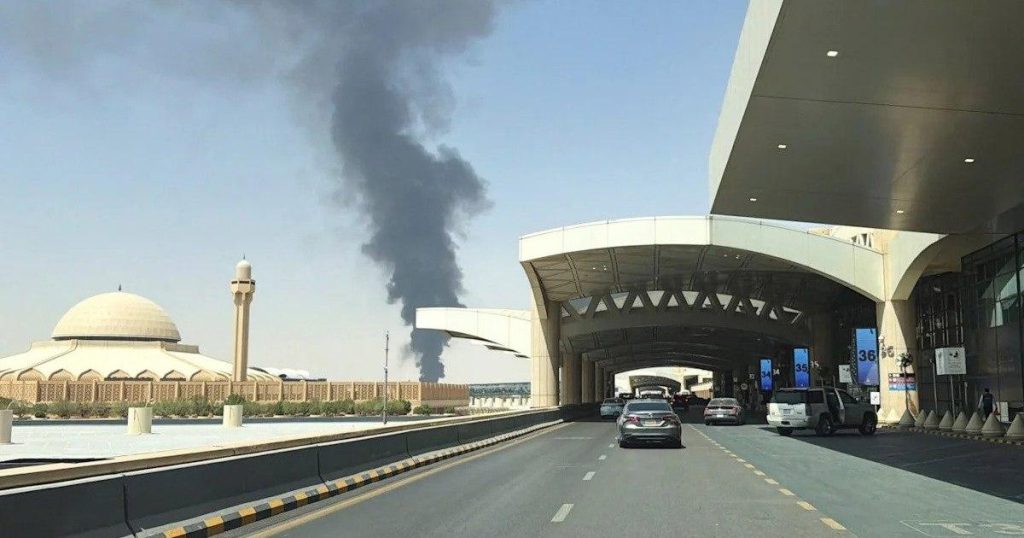
Coverage published by The Indian Express reported that Saudi Arabia’s King Khalid International Airport in Riyadh had come under repeated attacks, including an attack on 10 October that caused deaths, injuries and property damage.
The incident has brought the human consequences of regional conflict into sharper focus for India, which has extensive links with Gulf countries through trade, energy supplies, travel and a large Indian expatriate population.
For families affected by a death abroad, the immediate concerns include official confirmation, assistance with documentation and arrangements for the handling of the victim’s remains. For other Indian nationals in the region, the incident raises practical questions about airport operations, travel plans and access to emergency support.
The circumstances surrounding the attack form part of a wider security situation involving strikes in the region. The precise sequence of events, the identity of those responsible and the full extent of the damage should be established through official statements and verified reporting before further conclusions are drawn.
## India’s Diplomatic Response
India’s Ministry of External Affairs strongly condemned the repeated attacks on Riyadh’s King Khalid International Airport. The ministry expressed solidarity with Saudi Arabia and called for an immediate end to attacks on civilians and civilian infrastructure.
The ministry described the repeated attacks as unacceptable and said they must cease immediately. It also expressed hope that peace and normalcy would return to the region at the earliest.
Such diplomatic responses serve several purposes. They communicate India’s position on attacks affecting civilians, maintain contact with partner governments and help establish channels for providing consular assistance.
India’s diplomatic missions in the Gulf regularly support citizens who encounter emergencies abroad. Depending on the circumstances, assistance can involve coordinating with local authorities, helping families obtain information, facilitating travel documentation and communicating with employers or other relevant institutions.
The precise support available depends on the case, local laws and the information confirmed by the relevant authorities. Families affected by a death abroad generally need reliable official communication rather than unverified reports circulating on social media.
## Why the Incident Matters to India
The safety of Indians overseas is an important foreign-policy and consular concern. Millions of Indian citizens live and work in Gulf countries, contributing to local economies while maintaining close financial and family connections with India.
The region is also strategically significant because of its role in international energy supplies, shipping routes and commercial aviation. Disruptions to airports, maritime routes or other critical infrastructure can affect people far beyond the immediate location of an attack.
For Indian families, the consequences may include delayed journeys, uncertainty over relatives’ safety and difficulties arranging emergency travel. For companies and transport operators, instability can require changes to schedules, security procedures and contingency planning.
The incident also illustrates why accurate information is essential during rapidly developing emergencies. Early reports may not contain complete casualty figures, and accounts of responsibility or the circumstances of an attack may change as investigators establish the facts.
## What Should Indian Travellers Do?
Indian citizens who are currently in affected areas should follow official instructions issued by local authorities and the Indian Embassy or Consulate responsible for their location.
Travellers should check directly with airlines before travelling to an airport, particularly when security alerts or operational disruptions have been reported. They should keep passports, travel documents and emergency contact information accessible and inform family members of any changes to their itinerary.
People who require urgent consular assistance should use the contact details published by the relevant Indian diplomatic mission. Social-media posts that claim to provide emergency instructions should be checked against official announcements before being relied upon.
These precautions do not eliminate the risks associated with conflict, but they can help travellers make informed decisions and avoid unnecessary exposure to dangerous situations.
## A Wider Concern About Civilian Safety
The death in Riyadh comes amid continuing concern over attacks affecting civilians and essential infrastructure across the broader region.
Airports, ports and shipping routes are vital to international movement. When these facilities become unsafe, the consequences extend to ordinary travellers, workers, families and businesses that have little control over geopolitical developments.
For India, the challenge is to combine diplomatic engagement with practical support for citizens abroad. This includes seeking reliable information from partner governments, assisting affected families and issuing timely travel guidance when security conditions require it.
The incident is a reminder that international conflicts are not confined to military or political calculations. Their consequences are also felt by ordinary people travelling for work, visiting relatives or undertaking religious journeys.
As more verified information becomes available, official updates will be essential to understanding the full circumstances of the attack and the assistance being provided to those affected.