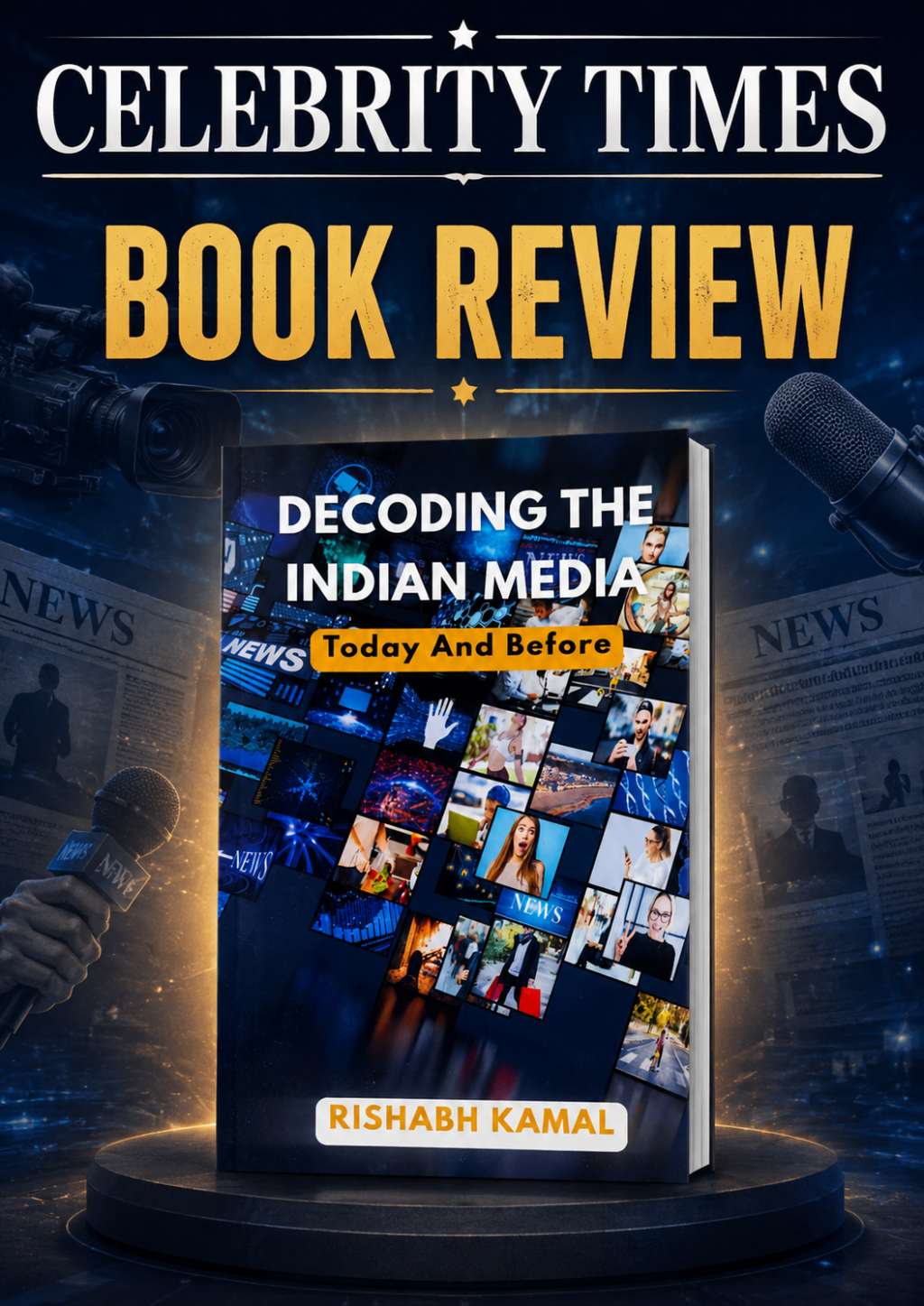
As someone who follows news regularly but never really thinks about how news is created, this book was a very interesting and thought-provoking read. Decoding the Indian Media Today and Before is not just a book about journalism—it is a book about power, responsibility, ethics, and how the media shapes the way we see the world.
What I liked most about the book is that it does not stay limited to theory. The author discusses several real-life incidents, from the Aarushi Talwar case and the Burari deaths to the Gujarat riots, Kargil War coverage, Radia tapes, and many other major events. Reading these examples makes the reader reflect on how media reporting can influence public opinion, sometimes positively and sometimes negatively.
The writing style is straightforward and easy to understand. The author writes like someone having a conversation rather than giving a lecture. Even readers who are not from a journalism or political science background can comfortably follow the arguments and examples. Throughout the book, one can feel that the author is deeply passionate about media ethics and democratic values.
One of the strongest aspects of the book is that it encourages readers to question what they watch, read, and share. In today’s age of breaking news, social media trends, and sensational headlines, this message feels especially relevant. The book reminds us that news is not just about speed; it is also about accuracy, fairness, and responsibility.
At times, the author’s opinions come across quite strongly, and some readers may agree or disagree with certain conclusions. However, that is also what makes the book engaging. It invites discussion rather than leaving the reader indifferent.
The book could have benefited from more visual elements, charts, or newspaper clippings to complement the many case studies discussed. Nevertheless, the content itself remains informative and thought-provoking.
Overall, Decoding the Indian Media Today and Before is a sincere and passionate examination of Indian journalism and its evolution over the years. It is a book that encourages readers to think critically about the news they consume and the role media plays in a democracy. Whether you are a student, a journalist, a political enthusiast, or simply someone curious about how news shapes society, this book offers plenty to reflect upon.
Rating: 4/5
A thought-provoking and relevant read that challenges readers to look beyond headlines and understand the larger role of media in shaping public perception and democracy.